


Knowledge
 Current and Future Challenges in Valve Testing Technology
Knowledge
From experts for experts
Current and Future Challenges in Valve Testing Technology
Industrial valves play a crucial role in supplying our modern world. Most people have no idea where a valve is hidden. Not to mention the enormous dimensions that such a valve can have. As the safety of entire systems depends on the functionality of the valves, it is necessary to subject them to regular inspection or preventive maintenance and to document this comprehensively. Such measures are crucial to ensure the service life and reliability of industrial valves.
What are the most common weak points on an industrial valve that need to be checked and repaired?
Industrial taps have similar weak points to domestic taps, but the problems can be more complex and critical due to the often higher operating pressures, temperatures and more aggressive media. Here are some examples:
1. Leakages
Causes: Worn or damaged seals, O-rings, seal seats, improper installation or material fatigue.
Inspection: Regular visual inspection for moisture or dripping - for liquid media, use of leakage detectors - for gaseous media.
Repair: Replacement of seals, tightening of connections.
2. Corrosion and cavitation
Causes: Aggressive media, high flow velocities, unsuitable material selection.
Inspection: Visual inspection, regular material analysis, ultrasonic or X-ray inspection to detect loss of wall thickness.
Repair: Replacement of damaged parts, use of corrosion-resistant materials or coatings.
3. Blockages and deposits
Causes: Suspended solids or deposits in the medium, insufficient filtering.
Inspection: Check the flow rate.
Repair: Clean the valves, use filters or strainers, flush the system if necessary.
4. Seal failure
Causes: Excessive pressure or temperature, chemical attack, mechanical stress.
Inspection: Check for leaks, regular maintenance intervals.
Repair: Replace the seals with suitable material, adjust the operating conditions if necessary.
5. Damaged or worn valve spindles and seats
Causes: Mechanical wear, improper operation, erosive media.
Inspection: Check valve function and ease of movement, visual inspection for damage.
Repair: Replace the spindles and seats, regrind the seats, use wear-resistant materials.
6. Failure of the actuators (manual, electric, pneumatic, hydraulic)
Causes: Mechanical wear, electrical problems, compressed air problems.
Inspection: Functional test of the actuators, inspection of the connections and lines.
Repair: Replacement or repair of the drive units, inspection and maintenance of the control lines.
7. Missing calibration and adjustment
Causes: Regular use without calibration.
Inspection: Check the settings and calibrations in accordance with the manufacturer’s specifications.
Repair: Calibration and adjustment of the valves according to the manufacturer’s specifications
What types of industrial valve test benches are there?
Industrial valve test benches are available in various designs, each tailored to specific requirements and types of valves. Here are some of the main types of test rigs used in the industry:
1. Pressure test benches
Purpose: Checking the pressure resistance and tightness of valves.
Applications: Water, gas and oil valves, pipelines.
Function: Generation and measurement of pressure within the valve, often with water or gas as the test medium.
2. Leakage test benches
Purpose: Detection of leaks and leak testing.
Applications: Valves, seals, pipe connections.
Function: Use of water, air or inert gases as test medium, use of pressure decay or mass spectrometry methods for leak detection.
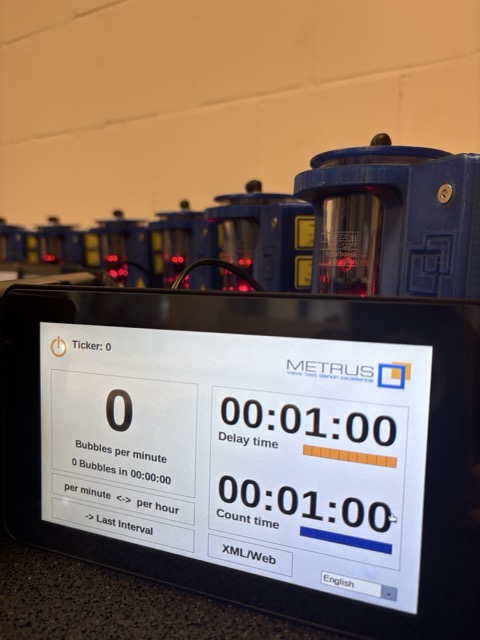
Figure 1: Leak test benches are used to detect leaks and test for leak
3. Function test benches
Purpose: To check the functionality and performance parameters.
Applications: Control valves, shut-off valves, safety valves.
Function: Simulation of operating conditions, checking response times and functionality under different scenarios.
4. Temperature test benches
Purpose: Testing of valves under extreme temperature conditions.
Applications: Valves in high and low temperature applications, e.g. in the chemical and petrochemical industries.
Function: Simulation of extreme temperatures, testing of material resistance and tightness at these temperatures.
5. Flow test benches
Purpose: Determination of flow capacity and pressure losses.
Applications: Control valves, flow meters, butterfly valves, safety valves
Function: Measurement of flow rate and pressure drop at different opening degrees and operating conditions.
6. Torque and actuating force test benches
Purpose: Measurement of the forces and torques required to actuate the valve.
Applications: Manual and motorized valves, gate valves.
Function: Recording the actuating force or torque under various operating conditions, checking the actuator performance.
7. Vibration and fatigue test benches
Purpose: To test resistance to vibration and mechanical fatigue.
Applications: Valves in areas subject to high mechanical stress, e.g. in the aerospace or automotive sectors.
Function: Simulation of vibrations and cyclic loads, testing for material fatigue and cracking.
8. Corrosion test stands
Purpose: Evaluation of corrosion resistance.
Applications: Valves in aggressive environments, e.g. in the chemical industry.
Function: Use of corrosive media and acceleration tests, verification of material integrity and service life.
9. Combined test benches
Purpose: To carry out several tests simultaneously.
Applications: Versatile valves that have to withstand multiple loads.
Function: Combination of pressure, temperature, flow and function tests in a single test bench.
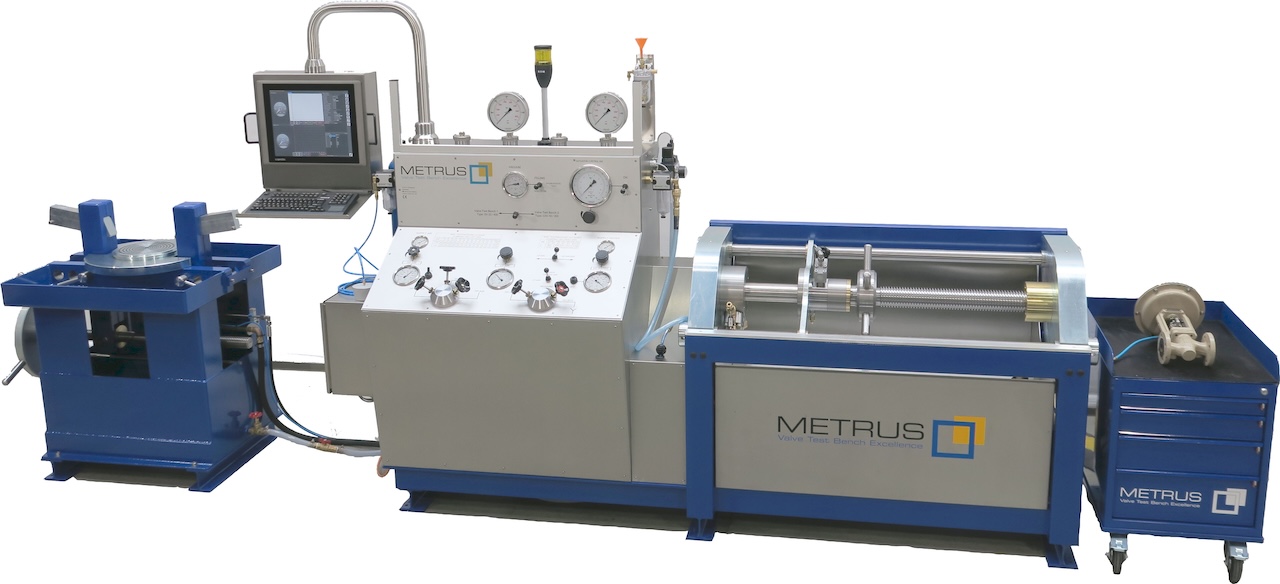
Figure 2: Combined test benches are versatile and can be used for a wide range of valves.
10. Electrical test benches
Purpose: Testing the electrical components of automated or electrically operated valves.
Applications: Electric motor drives, control systems.
Function: Checking electrical safety, functional tests of control and drive components.
11. Environmental simulation test benches
Purpose: Testing the resistance under different environmental conditions.
Applications: Valves exposed to extreme weather conditions or aggressive media.
Function: Simulation of climatic conditions such as humidity, salt spray, UV radiation.
These test benches are crucial for quality assurance and ensuring the reliability and durability of industrial valves in their respective applications.
In addition, manufacturers of industrial valves have to meet and comply with more and more requirements. These include the various test standards to which the respective valves are subject. These vary depending on the requirements of the different valve types and their sales markets. They ensure that the respective valves work reliably under different operating conditions and provide the necessary protection against excessive pressure. Manufacturers and users must observe these standards when selecting, installing and maintaining valves in order to ensure safety and conformity.
Here are some of the most important publishers of international and national norms and standards for industrial valves:
- 1. ASME (American Society of Mechanical Engineers)
- 2. API (American Petroleum Institute)
- 3. ISO (International Organization for Standardization)
- 4. EN (European standards)
- 5. DIN (German Institute for Standardization)
- 7. GB (Guobiao Standards - China)
- 9. JIS (Japanese Industrial Standards)
What direction is the development of industrial valve test benches currently taking?
Currently, the development of test benches for industrial valves is showing several trends aimed at increasing efficiency, accuracy, automation and sustainability. Here are some of the main directions of development:
1. Automation and digitalization
Trend: Integration of automated test procedures and digital control systems.
Development: Use of robot technology for handling and testing valves, use of IoT (Internet of Things) for real-time monitoring and data analysis.
Advantages: Increased efficiency and precision, reduction of human error, improved traceability and data management.
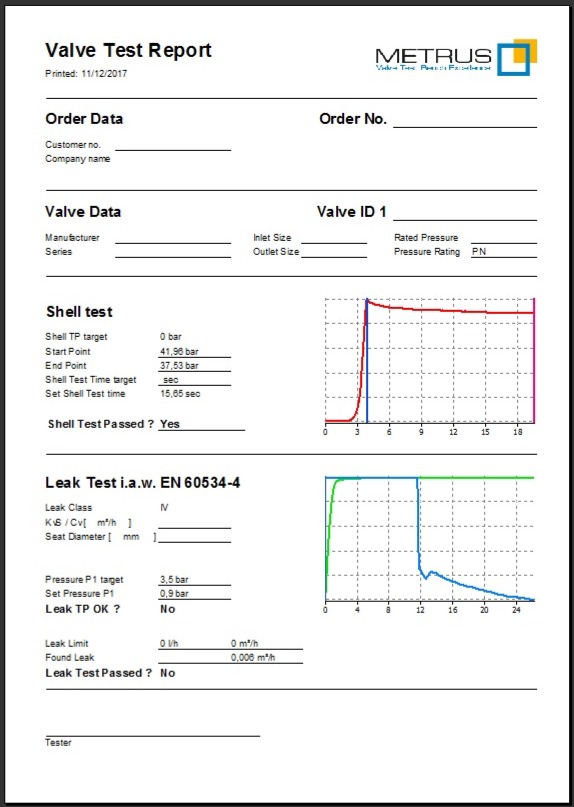
Figure 3: Safety Valve Test Report
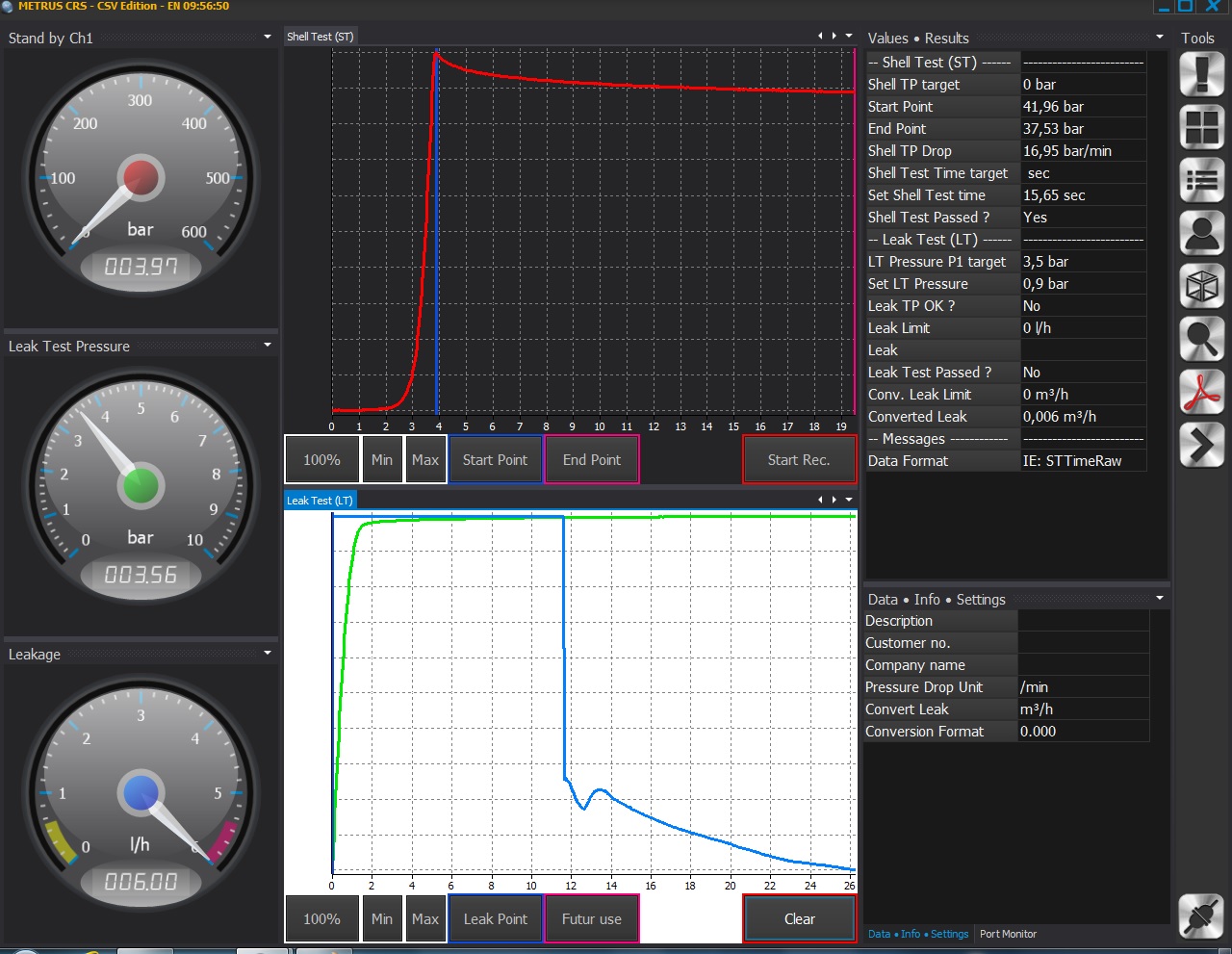
Figure 4: Digital tools can be used to increase the efficiency and precision of valves.
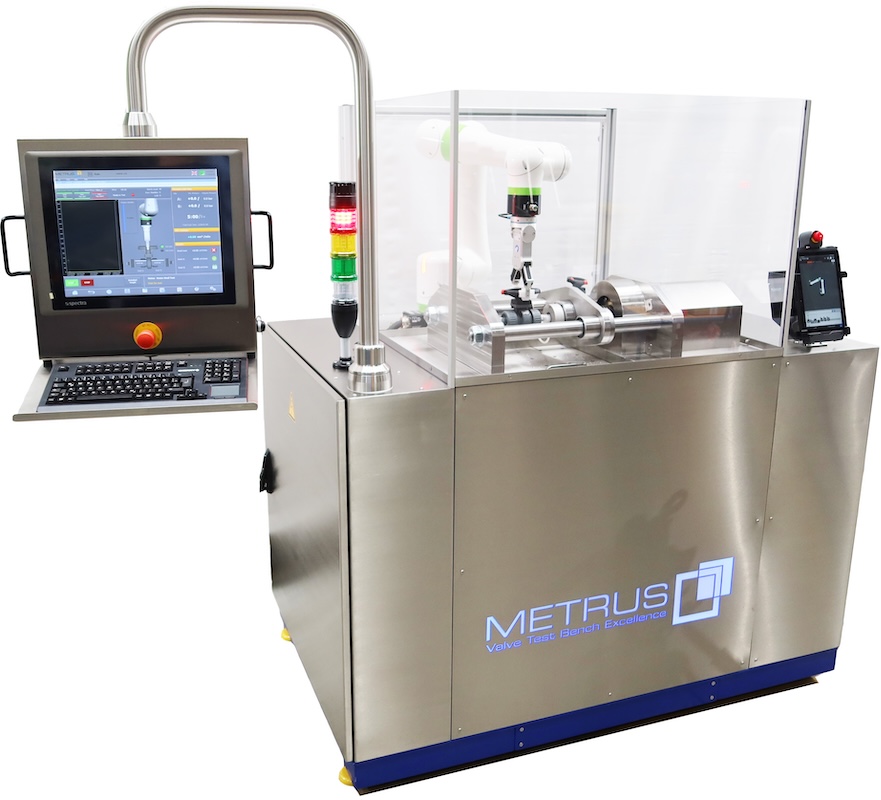
Figure 5: The use of artificial intelligence (AI) will also be possible for valve test benches in the future.
2. Use of AI and machine learning
Trend: Application of artificial intelligence (AI) and machine learning for fault detection and optimization of inspection processes.
Development: Algorithms for analysing large amounts of data from inspection processes, predicting maintenance requirements and sources of error.
Advantages: Proactive maintenance, minimization of downtimes, improved quality assurance.
3. Energy efficiency and sustainability
Trend: Development of energy-efficient test benches and environmentally friendly test procedures.
Development: Use of energy-saving components, recovery and reuse of test media, minimization of the ecological footprint.
Advantages: Reduction of operating costs, promotion of sustainable practices, fulfilment of legal and environmental requirements.
4. Modularity and flexibility
Trend: Development of modular test benches that can be adapted to different valve types and sizes.
Development: Modular systems that enable simple adaptation and expansion.
Advantages: Greater flexibility, reduced costs thanks to multi-purpose systems, rapid adaptation to new requirements.
5. Enhanced safety and quality standards
Trend: Compliance with stricter safety and quality standards through improved testing procedures.
Development: Implementation of comprehensive testing protocols, compliance with international standards and certifications.
Advantages: Increasing operational safety, reducing liability risks, improving market acceptance.
6. Remote monitoring and control
Trend: Implementation of remote monitoring and control systems.
Development: Use of cloud technologies and remote access tools to monitor and control test benches remotely.
Advantages: Improving accessibility, reducing the need to be on site, fast response times to problems.
These developments help to increase the efficiency and reliability of testing processes, reduce operating costs and improve the quality and safety of industrial valves.
About the author
0 +
Articles in this section
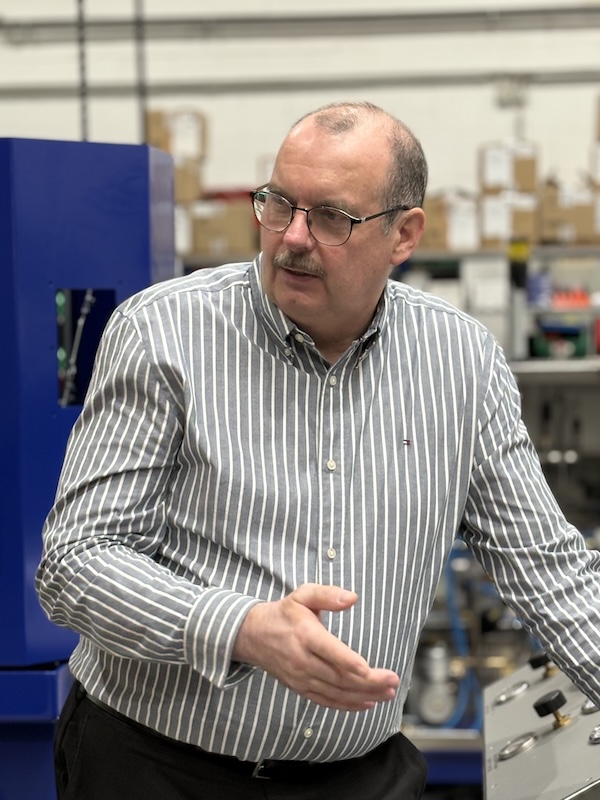
Thomas Kamphausen
Managing Director
Curious? Any questions? Get in touch via the contact form on our Contact page.
 Valve World Expo
 DIAM&DDM Bochum 2027